
On the day of writing this is the feast of the Most Holy Theotokos the Unburnt Bush icon.
The Icon of the Unburnt Bush depicts Mary holding the Christ child and Jacob’s ladder in the burning bush witnessed by Moses surrounded by angels, church patriarchs and numerous others. The icon is incredibly complex and weaves together numerous church teachings from angelology to prophesy that I don’t understand well enough to describe much less explain but more critically to me is a Russian folk tale about the icon:
In ancient Russia, most houses were made of wood, and fire was an ever-present danger. One day a raging fire broke out and was consuming several buildings. An old woman was seen by someone, standing in front of her home, holding up a copy of the Unburnt Bush icon before the flames. The next morning all the houses around it were found to have been completely destroyed, but hers was completely untouched. This led to the superstitious belief that the icon was capable of preventing or extinguishing fires, a belief that became widespread throughout Russia.
Like many rural southern Californians, I live in an extreme wildfire zone. Some of the largest fires in the state’s history occurred here and wildfires periodically break out throughout late summer – early fall each year. As summer draws to a close we are entering an edgy, anxious part of the year where soaring temperatures and Santa Ana winds strip the last bit of moisture from the earth and the sounds of generators rumble through the valley after the high winds provoke the power company to shut us off again. Food for native animals is scarce and will remain so until the winter monsoons. Harvest celebrations feel strange during these times. So we adapt and create our own festivals.

I was gifted an Unburnt Bush icon by my friend and fellow Marian enthusiast Ms. Graveyard Dirt for a bit of supernatural wildfire security and it only seemed appropriate to take Her to a festival on Her feast day. Because today is also a very special day in my town. Every year for the last hundred or so years the local Catholic church hosts a deep pit BBQ with locally grown beef and by local they mean from the pastures and forest across the street from the church, not meat with a “California grown!” sticker slapped on it. The meat is grown here, the firewood is grown here – it is a celebration of our town, the land we live on, and everything that it provides as well as an unintentional preservation of a dying Californian culinary tradition.
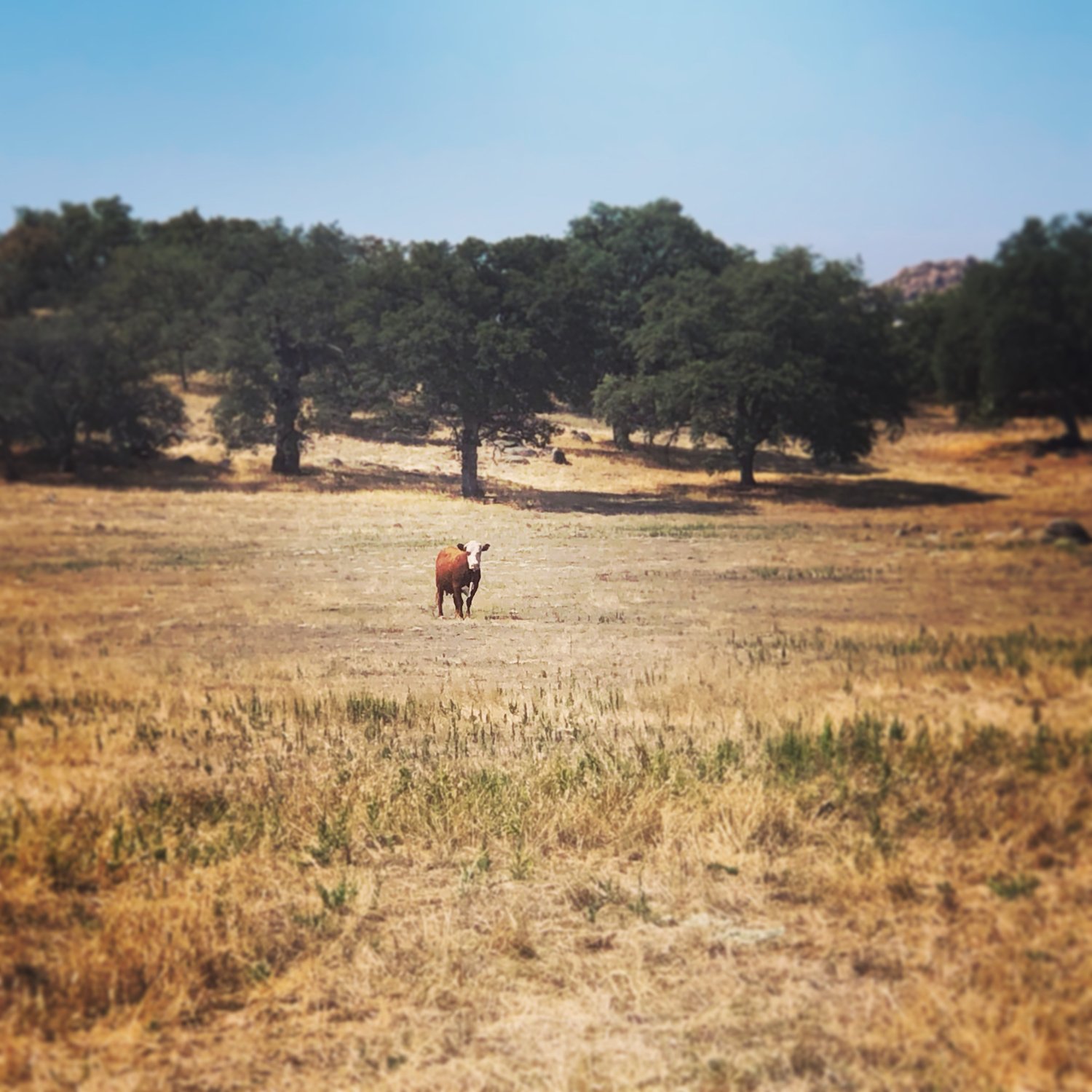
Though we are not commonly known for it, California deep pit is a unique regional style of barbeque that has all but disappeared from the state’s landscape and only lives on in small dusty corners of rural California. Like ours.
If there is a prevalent and historic regional barbecue style for California, it has to be the oak-smoked tri-tip from Santa Maria, nestled in the state’s rural Central Coast. The lean, triangular muscle cut is little used for barbecue outside California, and even here it’s often served as part of a rich sandwich with sauce and coleslaw, instead of as a standalone meat on a platter like more traditional ribs and brisket. The area’s pinquito beans and enduring Portuguese linguica sausages are a vestige of the state’s pre-frontier days, when European ships dating back to the 1500s (and in some cases even earlier) began to arrive along shorelines, colonizing huge swaths of land and in the process uprooting native populations and foodways. Early explorers, pioneers, and imperialists arrived — along with northward groups coming from Mexico, including proselytizing missionaries — with stores of food and men eager to bend the land, and its native people, to their will.
They, along with the many vaqueros, Latinos, and Californios in this coastal cattle-producing region, built the earliest traditions of Santa Maria-style barbecue, complete with its own bespoke pit style and adherence to red oak as fuel.
[..]
For deep pit beef, huge chunks of coastal oak would be burned down to coals and mixed in with heat-radiating stones at the bottom of squared-off pits. The large sides of beef, commonly wrapped in wet burlap to keep them from charring too heavily (and to soak in more smoke flavor), would then be lowered into the smoldering pits. A cover — pure earth, sometimes grasses, and later on an actual lid — was then placed over the pit; the beef inside cooked for hours or even days at a time, depending on the size of the animal. Once cooked, the beef is exhumed, unwrapped, and hand-shredded before being served on a plate with such traditional sides as beans and coleslaw, breads, and tortillas.
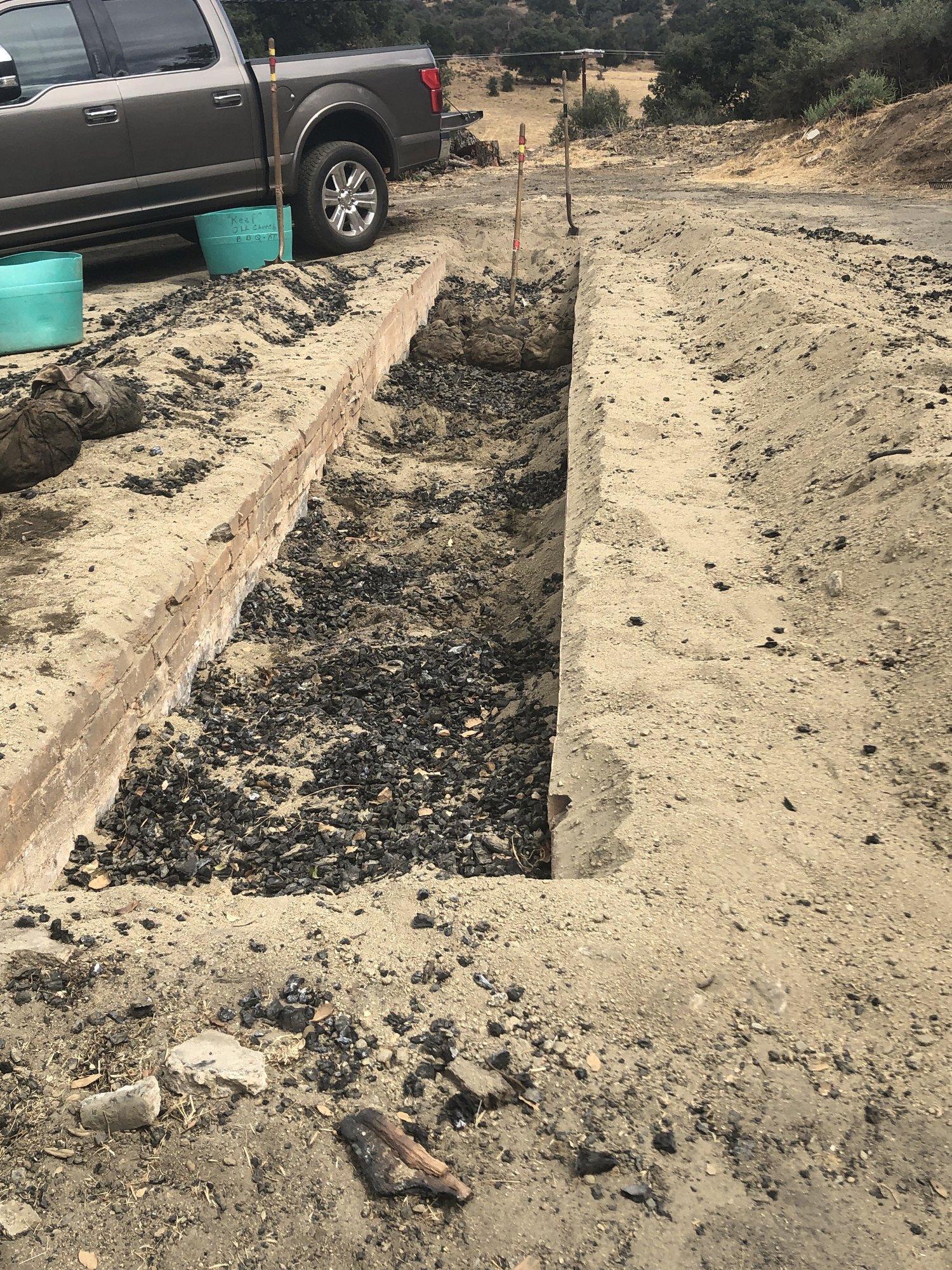
It’s the only day of the year you can get this style of barbeque and such a special meal is perfect for the Unburnt Bush. So I tucked my icon safely in my bag and headed to the church to let her mingle with the people she loves and protects and soak in the good music, good food, and good vibes. I intended to take some photos but I got caught up in the celebration and forgot. Oh well. It was a great time and a fun way to celebrate a feast day. The timing is so ideal that I’ve decided the Unburnt Bush is the patron of our town and the Labor Day BBQ is her feast whether everyone else knows it or not. Yes, this is an Orthodox feast and yes this is a Catholic church but I’m neither so I don’t really care.
She definitely will be making an appearance for years to come.
 Via Combusta
Leave a comment